


Lead with rail
For most European delegates, the train is the fastest and lowest-carbon option. Say so in your first delegate mailing, with the times above


Antwerp sits at the centre of Europe's densest transport network, and it's built so that arriving without a car is the obvious choice, not the virtuous one. Fast trains, a global airport 40 minutes away, and a real shared-mobility grid mean your delegates spend less time in transit and more time at your event.
Antwerp sits at the centre of Europe's densest transport network, and it's built so that arriving without a car is the obvious choice, not the virtuous one. Fast trains, a global airport 40 minutes away, and a real shared-mobility grid mean your delegates spend less time in transit and more time at your event.
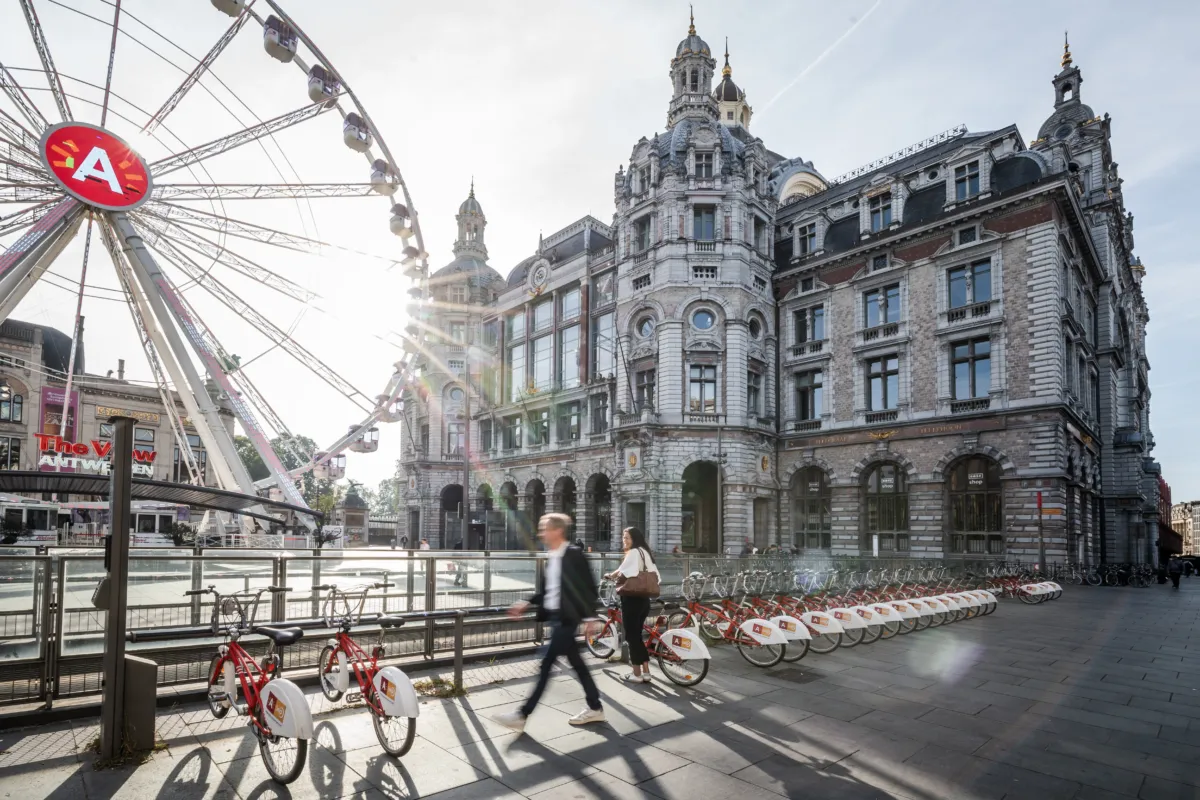
This isn't aspiration. Antwerp has quietly become one of Europe's most multimodal cities: in 2025, people made more than 13 million trips on shared bikes, steps, scooters and cars, and the city counted over 20 million cyclists across its measuring points. When you tell your delegates to leave the car behind, the infrastructure is already there to back you up.
That matters for an event. It means predictable arrival times, fewer parking headaches, and a lighter carbon footprint you can put in your delegate communications and your post-event report.
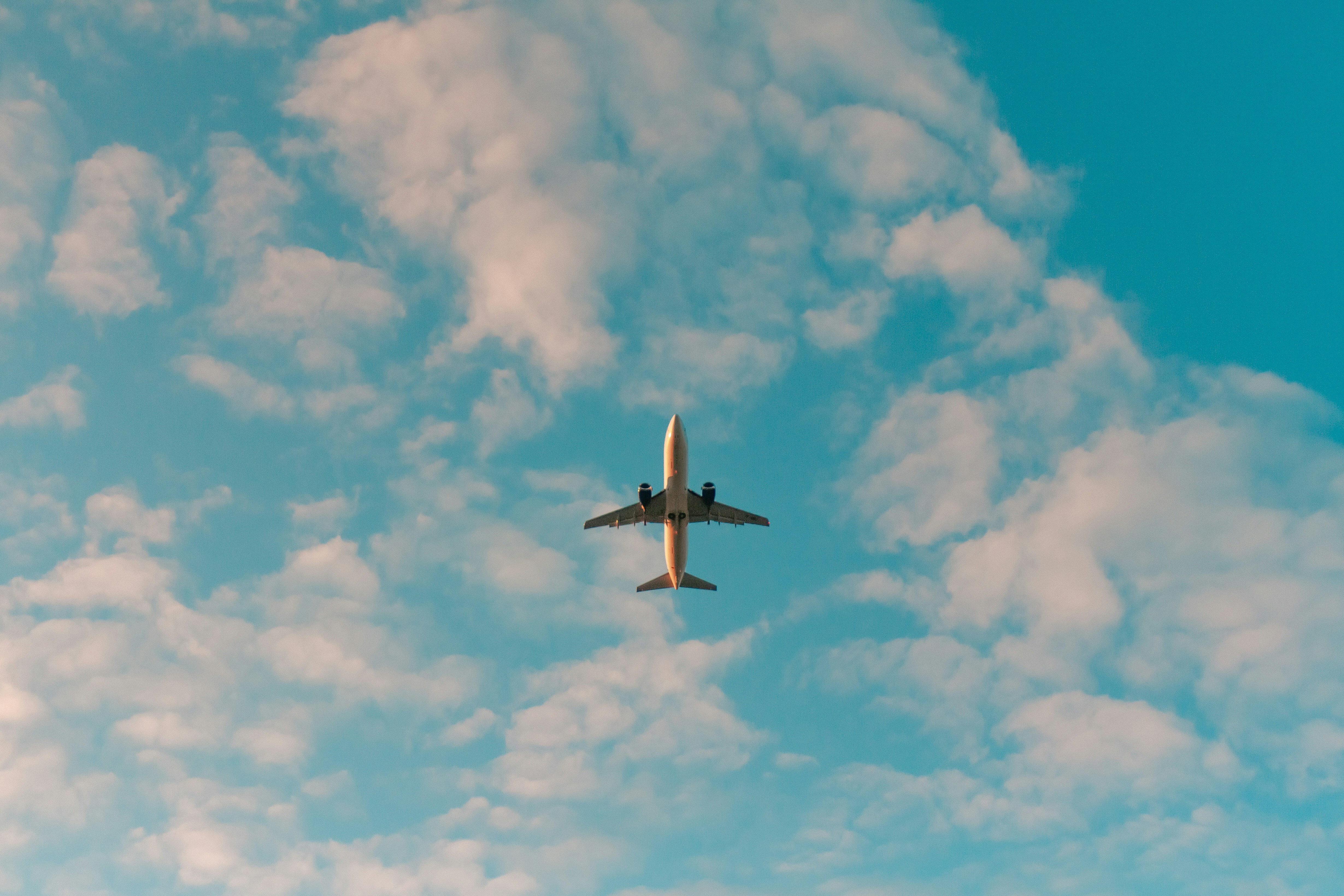
Brussels Airport connects Antwerp directly to the world: 170+ direct destinations, 70+ airlines, direct transatlantic and Asian routes, and a hub for Brussels Airlines within the Star Alliance network. From the airport, a direct train brings delegates into the city, in less than 40 mins. No transfer, no rental car.
Antwerp-Central is directly connected to Europe's major cities:
For a large share of your delegates, the train is genuinely faster door-to-door than flying, and it arrives in the middle of the city, at one of the most striking railway stations in the world.
If delegates do drive, Antwerp's Low Emission Zone (LEZ) applies in the city centre, so the smart move is to park on the edge and switch to tram or bike. The Park & Ride sites on the ring road connect straight into public transport, and the city's route planner (see below) flags the LEZ and current roadworks automatically. Worth communicating clearly in your delegate pack: it saves a lot of confusion on day one.
Antwerp's congress ecosystem is compact by the numbers, not by cliché. Everything sits inside the ring road, a footprint of 16 km / 6 mi across. Central Station to the Cathedral is 1.5 km; the KMSKA museum to the MAS is 2.7 km. Add trams, shared bikes, steps, scooters and water transport on top, and most delegates simply won't need a car between venue, hotel and dinner.
Sustainable delegate travel is no longer a nice-to-have line in your bid. It's something boards, funders and delegates increasingly ask you to prove. Antwerp makes it straightforward to deliver, and to measure.
Where it's useful, ACB can help you go further, including connecting you to the city's accessibility advisors, who work with organisations on tailored mobility plans.
A few levers we'd suggest building into your event
For most European delegates, the train is the fastest and lowest-carbon option. Say so in your first delegate mailing, with the times above

Drop the widget or link into your event site and joining instructions so nobody defaults to a car out of uncertainty.
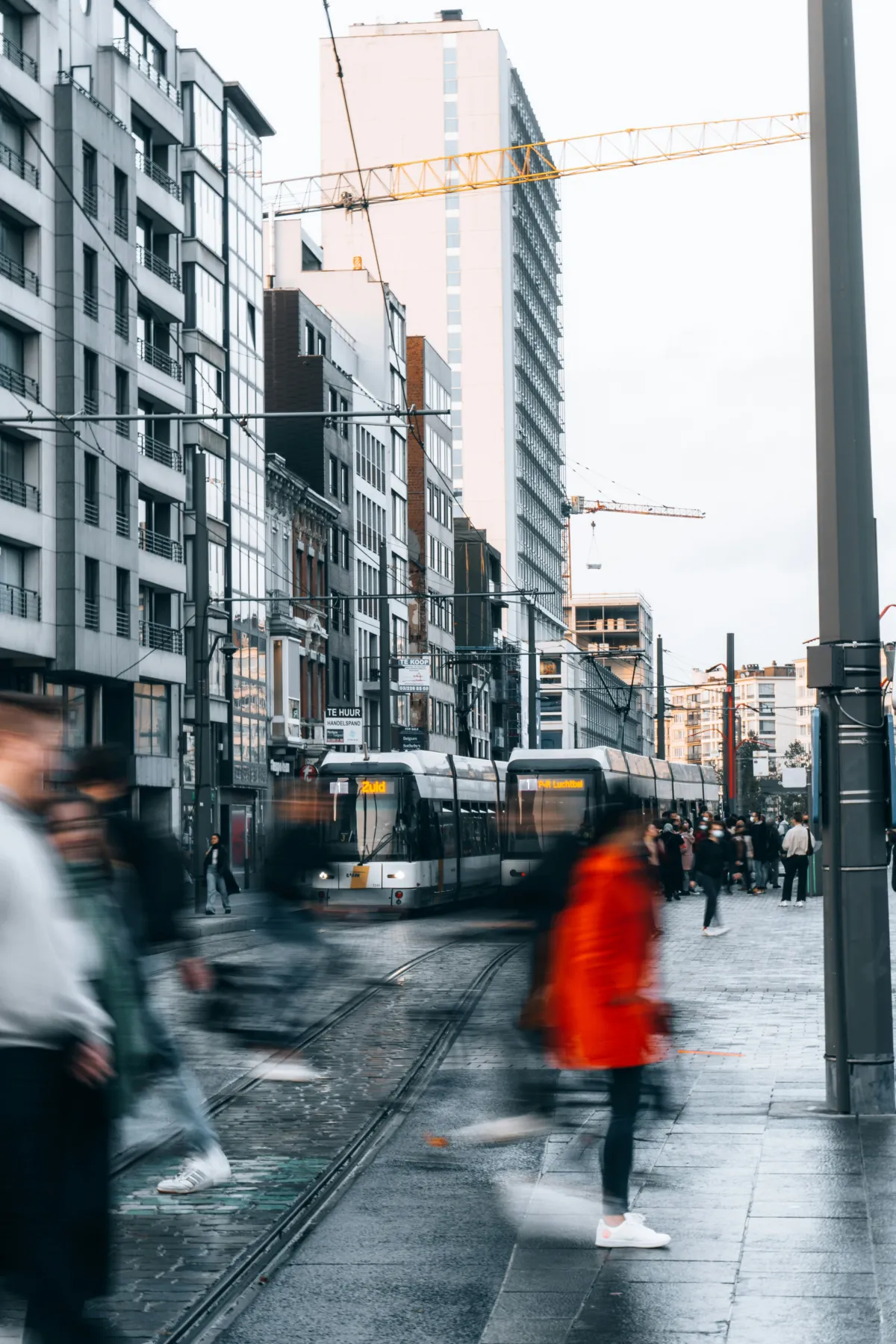
Fold the P+R + tram option into your logistics so the LEZ never becomes a surprise.
The walk times above make a genuinely car-free event realistic for most delegates.

